TMJ Disorder Treatment in Ho Chi Minh City – Effective Solutions for Jaw Pain
Temporomandibular Joint Disorder (TMJ/TMD) is a common yet often overlooked condition that affects daily functions such as eating, speaking, and even sleeping. If you are experiencing jaw pain, clicking sounds, or difficulty opening your mouth, it may be time to seek professional TMJ treatment.
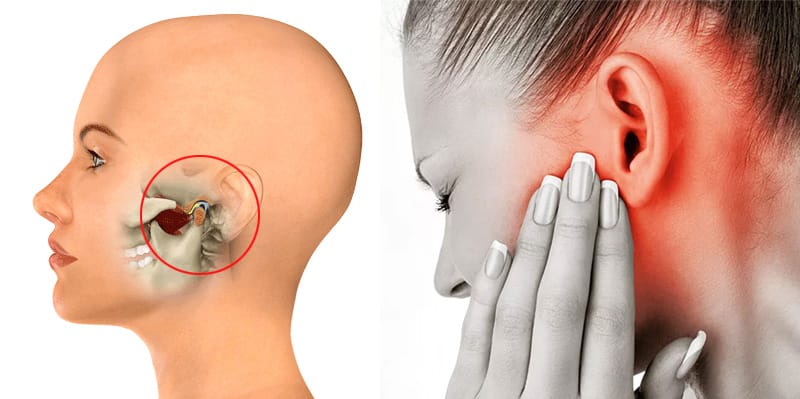
This article will help you understand the condition, its causes, symptoms, and the most effective treatment options available.
What is TMJ Disorder?
The temporomandibular joint (TMJ) is the only movable joint in the skull, located just in front of the ear. It connects the lower jaw to the skull and allows movements like opening the mouth, chewing, and speaking.
When this joint becomes unstable or inflamed, it can lead to TMJ disorder, causing discomfort and functional limitations.
Common Symptoms of TMJ Disorder
Patients with TMJ problems often experience:
- Jaw pain when chewing or opening the mouth
- Clicking or popping sounds near the ear
- Limited mouth opening or jaw locking
- Facial pain, headaches, or ear discomfort
- Muscle fatigue in the jaw and neck

In some cases, symptoms may extend to the neck, shoulders, or even cause sleep disturbances.
What Causes TMJ Disorder?
TMJ disorders can result from multiple factors, including:
- Malocclusion (bite misalignment) – one of the most common causes
- Teeth grinding (bruxism)
- Jaw trauma or injury
- Degenerative joint conditions (arthritis)
- Stress leading to muscle tension
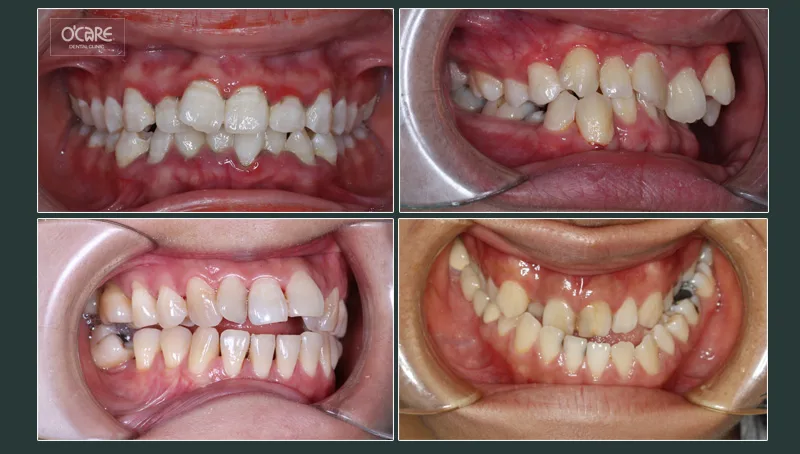
Malocclusion is a major cause of temporomandibular joint (TMJ) inflammation.
👉 Identifying the root cause is essential for effective and long-term treatment.
Why Accurate Diagnosis is Critical
TMJ symptoms are often confused with:
- Ear infections
- Neurological issues
- General dental pain

iagnosis of Temporomandibular Joint Disorders (TMD) via Cone-beam CT at Ocare Dental Clinic
This makes accurate diagnosis the most important step. Without it, treatment may only relieve symptoms temporarily without addressing the real cause.
TMJ Treatment Options
Treatment depends on the severity and underlying cause. A comprehensive plan may include:
1. Medication (Symptom Relief)
Used to reduce pain and inflammation, but does not address the root cause.
2. Occlusal Splint Therapy (Most Effective)
A custom-made splint is worn to:
- Relax jaw muscles
- Reposition the jaw joint
- Reduce pressure on the TMJ
This is considered one of the safest and most effective treatments, with significant improvement in many patients.
3. Physical Therapy
Includes:
- Jaw exercises
- Massage and heat therapy
- Muscle relaxation techniques
👉 Helps improve mobility and reduce discomfort.
4. Bite Adjustment & Orthodontics
After stabilizing the joint, further treatment may include:
- Bite correction
- Orthodontic treatment (braces)
👉 Ensures long-term stability and prevents recurrence.
5. Advanced Procedures (If Needed)
- Joint repositioning
- Arthroscopy (minimally invasive surgery)
👉 Only recommended when conservative treatments are ineffective.
How Long Does TMJ Treatment Take?
Treatment duration varies depending on severity, but:
- Mild to moderate cases: 3–6 months
- Significant improvement often occurs within months when treated correctly
TMJ Treatment Video at Ocare Dental Clinic (38 million views)
Where to Get TMJ Treatment in Ho Chi Minh City?
Not all dental clinics specialize in TMJ treatment. This condition requires:
- Deep understanding of occlusion (bite) and jaw function
- Experience in managing complex TMJ cases
- Personalized treatment planning
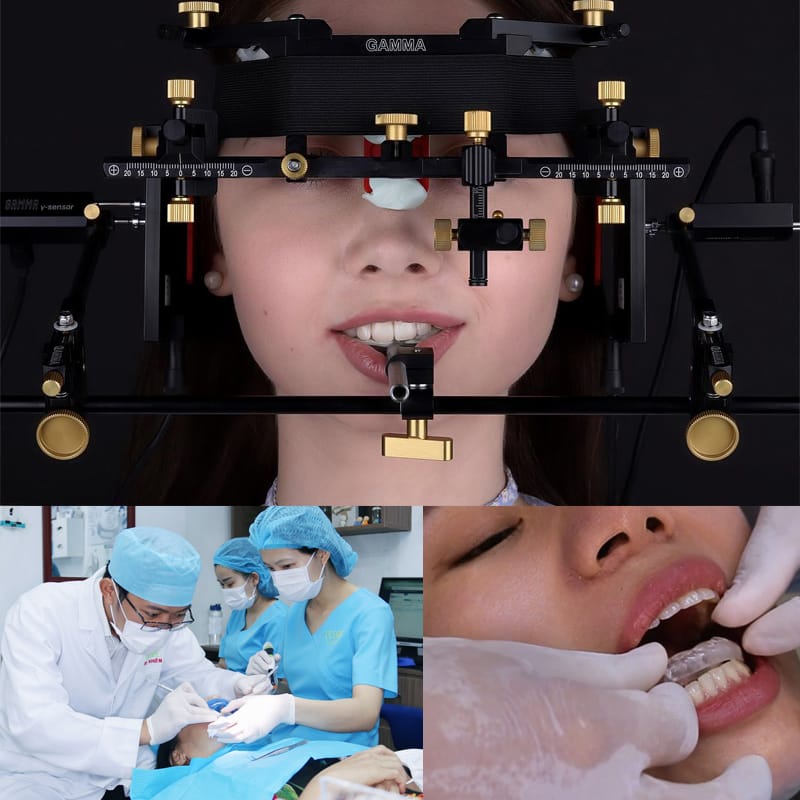
International Standard Specialized TMJ Treatment at Ocare Dental.
Clinics with a specialized focus on TMJ and occlusion tend to provide more accurate diagnosis and long-term results.
Why Specialized TMJ Centers Make a Difference
Unlike general dentistry, TMJ treatment requires:
- Functional analysis of jaw movement
- Precise bite evaluation
- Long-term treatment planning
Specialized centers prioritize:
👉 Function → Stability → Aesthetics

Ocare Dental: The exclusive destination in HCMC for advanced TMJ disorder treatment.
This approach ensures not only pain relief but also lasting improvement.
When Should You See a TMJ Specialist?
You should seek professional evaluation if you experience:
- Persistent jaw pain
- Clicking or popping sounds
- Difficulty opening your mouth
- Jaw fatigue or stiffness
👉 Early treatment leads to better outcomes and prevents complications.
Conclusion
TMJ disorder may not be life-threatening, but it significantly affects quality of life. The key to successful treatment lies in:
- Accurate diagnosis
- Correct treatment approach
- Long-term functional stability
👉 Choosing the right specialist early can help you avoid chronic pain and repeated treatments.
Contact us today for a consultation with our TMJ specialists